Supporting or referring a person to art therapy

Art Therapy is a type of psychotherapy where you can use art materials to improve mental health and address emotional difficulties. It is important to differentiate between Art Therapy and an Art Class and to help the participant understand the purpose of the sessions.

There are some ways that you can help with this

Before making a referral

Tell the person you are supporting that you have noticed they are having some difficulties lately, for example; you have noticed they look sad, worried or angry a lot of the time.

Explain to them that therapists are professionals that are trained to help people with these sorts of difficulties, they can help to solve problems and find new ways of coping.

Explain that art therapists are not art teachers, they don’t care if you’re not good at art, they want to help you to be the kind of person you want to be.

Art therapists use all kinds of art materials and processes to help people, the participant may need to tell the art therapist a little bit about the problem so that they can help. It’s ok to talk in art therapy.

Art therapy can be fun, but it can also be challenging because it’s not about avoiding your problems. Art therapists understand that it is often hard to think and talk about things that are upsetting to you and are good at helping people find other ways to express and cope with things that are very painful.

When they are going to therapy please remember that

The Art Therapy room is a confidential space for people to express feelings and address problems, there is no expectation that the participant will make ‘good’ art.

Please be aware that well intended questions such as, “what did you make/do?” Do not honour the clients right to a confidential service. A better question to ask is, “did you find it helpful?”

We ask parents and support people to help us with informed consent by referring to the appointment as therapy. It helps to remind the participant that they can talk to the therapist about anything, and that the therapist is there to help with life’s problems.

Suggesting to participants that they make a specific painting or object in art therapy is inappropriate and undermines the purpose of the therapy. Avoid comments that may confuse the clients as to the purpose of therapy.

Steps to get a Mental Health Care Plan (MHCP)

A Mental Health Care Plan is arranged through your GP. It helps determine whether you’re eligible for Medicare rebates for mental health sessions with a psychologist, social worker, or other eligible mental health professional.

1. Book an appointment with your GP

Make a standard appointment and let the receptionist know it’s for a Mental Health Care Plan. A longer appointment is often helpful.


2. Talk with your GP about how you’re going

Your GP will ask about what’s been happening for you emotionally, mentally, and in your day-to-day life. You don’t need to prepare anything formal—just describe your current concerns as best you can.


3. Your GP completes an assessment

The GP may ask a few structured questions or use a brief screening tool to better understand your situation and what kind of support you might need.


4. A Mental Health Care Plan is created (if appropriate)

If you’re eligible, your GP will write a plan outlining your main concerns and recommended supports. This may include referral to a specific practitioner or service.


5. You receive a referral

Your GP will provide a referral letter or document. This can usually be sent directly to your chosen clinician or given to you to bring to your appointment.


6. Book your therapy sessions

Once you have your MHCP and referral, you can book in with your chosen mental health practitioner (such as Pelican Arts).


7. Review after a set number of sessions

Medicare allows a set number of rebated sessions per calendar year under a MHCP. Your GP will review your plan as needed and may extend or update it if appropriate.

Bulk-Billed Medicare Mental Health Social Work at Pelican Arts

From July to December 2026, Pelican Arts will be offering bulk-billed Medicare appointments for eligible clients referred under a Mental Health Treatment Plan.

As an Accredited Mental Health Social Worker, I provide Mental Health Social Work services for people aged 16 years and over using evidence-based Focused Psychological Strategies (FPS), including Acceptance and Commitment Therapy (ACT), Cognitive Behavioural Therapy (CBT), mindfulness-based approaches, relaxation strategies, psychoeducation, and skills development.

Scribbly ink and mixed media drawing of three people

Some people choose to incorporate art materials into therapy, while others prefer a more traditional talk-based approach. There is no expectation that clients use art in sessions. Therapy is tailored to each person’s needs, interests, and goals, with creative processes available as one of many tools that may support therapeutic work.

Many people know Pelican Arts through my work as a Professionally Registered Art Therapist and are curious about how creative processes fit within Medicare-funded therapy. While Medicare does not fund Art Therapy as a standalone service, creative and art-based processes can be incorporated into Mental Health Social Work treatment where clinically appropriate.

Art materials may be used to support relaxation and mindfulness, develop personal metaphors, engage with therapeutic concepts, identify strengths, explore values and emotions, and practise new coping strategies. The process of artmaking can create space for reflection, noticing patterns, and exploring experiences from different perspectives. It can complement therapies such as ACT by helping people engage experientially with values, thoughts, emotions, and behaviour, rather than simply talking about them.

I have a particular interest in working with culturally and linguistically diverse communities, informed by my previous work as a Community Development Officer with refugee communities. I also welcome referrals from LGBTQIA+ communities and strive to provide a safe, inclusive, and affirming therapeutic environment.

This temporary bulk-billing initiative is intended to improve access to therapy for people who may be experiencing financial barriers. If you would like to know whether you may be eligible, please speak with your GP about a Mental Health Treatment Plan or contact Pelican Arts for further information.

Slow Drawing on Sunday

Banner image for Slow Drawing on Sunday

Monthly art workshops for adults

Slow Drawing on Sunday

These small, reflective art sessions for adults invite participants into a calm studio environment where colour, line, texture, and light become ways of noticing – and ways of returning to presence. Each gathering offers time to step away from pressure and outcome, and instead spend time with the quiet unfolding of materials in the hand.

Each session will have a different focus

Letting Go of Judgement – Line Drawing (5th July)
Explore drawing as observation rather than performance, through simple line-based exercises that encourage experimentation and ease.

Shifting Colour (2nd August)
A gentle exploration of colour mixing, layering, and response using water-based materials, focusing on noticing subtle change and interaction.

Shape, Balance and Space (30th August)
Work with simple objects and composition to explore how shapes sit together and how balance and placement affect visual harmony.

Light, Shadow and Stillness (27th September)
Exploring light, shadow, contrast and atmosphere through drawing and reflective mark-making.

Materials are included, however participants are welcome to bring their own favourite art supplies or unused materials they would like to experiment with.
A light morning tea will be provided.


No prior art experience needed.

Ages 16 and over.

Tickets can be purchased via Humantix follow this link Slow Drawing on Sunday

Tuning In – Parenting Program

Pelican Arts provides 1-1 parent training by a trained Tuning in to Kids® facilitator.

Emotionally Intelligent Parenting

Would you like to learn how to:

· be better at talking with your child?

· be better at understanding your child?

· help your child learn to manage their emotions?

· help to prevent behaviour problems in your child?

· teach your child to deal with conflict?

Tuning in to Kids® shows you how to help your child develop emotional intelligence. Children with higher emotional intelligence:

· have greater success with making and keeping friends

· have better concentration at school

· are more able to calm down when upset or angry

· tend to have fewer childhood illnesses

Emotional intelligence may be a better predictor of academic and career success than IQ!

Please contact us for more information or to enrol

As the training is done 1-1 we are able to accommodate a time and day that suits you.

Privacy Statement

P rivacy Statement

Pelican Arts is committed to safeguarding the privacy and confidentiality of all clients in compliance with the Australian Privacy Act 1988, the Australian Privacy Principles (APPs), the Health Records and Information Privacy Act 2002 (NSW), and professional guidelines from Allied Health Professions Australia (AHPA), the AASW Code of Ethics, and the ANZACATA Code of Ethics and Professional Practice.

This statement explains how we collect, store, use, and manage your personal and health information in compliance with Australian law and professional standards for allied health and therapeutic practices.


Collection of Information

Pelican Arts collects personal and health information to provide high-quality art therapy and mental health services. This may include:

  • Personal details (e.g., name, address, phone number, date of birth)
  • Medical, psychological, and social history
  • Information shared during therapy sessions (e.g., case notes, treatment goals)
  • Referrals and correspondence from other health professionals (with your consent)

Why We Collect This Information:

  • To provide safe, individualised therapeutic services
  • To develop and review treatment plans
  • To comply with legal obligations under the Australian Privacy Act 1988 and other relevant legislation

Use and Disclosure of Information

Your information is collected and used exclusively for therapeutic purposes and professional record-keeping. Pelican Arts will only share your information:

  • With your explicit consent
  • When required by law (e.g., mandatory reporting, subpoenas, or to prevent serious harm)
  • To meet ethical obligations, in line with the Australian Privacy Principles (APPs)

Confidentiality is central to our practice. Pelican Arts ensures that client information is handled in accordance with professional standards and the ethical guidelines of AASW and ANZACATA.


Storage and Security of Information

Pelican Arts uses secure digital systems to store your personal and health information. These systems comply with Australian health record standards, the Health Records and Information Privacy Act 2002 (NSW), and AHPA best practices.

Security Measures Include:

  • Encrypted, password-protected digital systems for case notes
  • Secure servers located within Australia
  • Regular system updates and audits to maintain security and compliance

Only authorised personnel have access to your information, and they are bound by strict confidentiality agreements.


Retention and Disposal of Records

Pelican Arts adheres to strict guidelines for the retention and secure disposal of health records in compliance with AASW, ANZACATA, and AHPA standards:

  • Adult clients: Records are retained for a minimum of 7 years after the last session.
  • Clients under 18 years: Records are retained until they reach the age of 25.

At the end of these retention periods, records are securely destroyed to protect your privacy.


Your Rights

Under the Australian Privacy Act 1988 and the Australian Privacy Principles (APPs), you have the right to:

  1. Access Your Information: Request access to personal or health information we hold about you.
  2. Correct Your Information: Request corrections to inaccurate or incomplete information.
  3. Withdraw Consent: Withdraw your consent for the collection or use of your information, where lawful and practical.

To exercise these rights, please contact us directly using the details provided below.


Ethical Standards and Informed Consent

Pelican Arts follows the ethical standards set out in the AASW Code of Ethics, the ANZACATA Code of Ethics and Professional Practice, and the AHPA Private Practice Guidelines.

Informed Consent:

  • You will be fully informed about how your information is collected, stored, and used.
  • Consent is obtained before therapy begins and reviewed as needed during the therapeutic process.

Confidentiality is upheld at all times, balancing professional duties with legal and ethical responsibilities.


Complaints and Concerns

If you have any concerns about how your personal information is handled, please contact us at:

  • Phone: 0410 772 058
  • Email: Kate@PelicanArts.com.au

If you are unsatisfied with our response, you may contact the Office of the Australian Information Commissioner (OAIC):


Contact Details

For any questions or to access or update your personal information, please contact Pelican Arts:


Relevant Legislation and Resources

Here are links to the Acts and guidelines referenced in this Privacy Statement:

  1. Australian Privacy Act 1988: https://www.legislation.gov.au/Details/C2023C00114
  2. Australian Privacy Principles (APPs): https://www.oaic.gov.au/privacy/australian-privacy-principles
  3. Health Records and Information Privacy Act 2002 (NSW): https://www.legislation.nsw.gov.au/view/html/inforce/current/act-2002-071
  4. AASW Code of Ethics: https://www.aasw.asn.au/document/item/1201
  5. ANZACATA Code of Ethics and Professional Practice: https://www.anzacata.org/ethics
  6. AHPA Privacy Guidance: https://ahpa.com.au/privacy-policy/
  7. Office of the Australian Information Commissioner (OAIC): https://www.oaic.gov.au

Privacy and Confidentiality

At Pelican Arts, our commitment to your privacy is paramount. We adhere strictly to the Information Privacy Act 1988, ensuring that all personal information is handled with the utmost care and confidentiality.

We keep your name and contact details on your consumer record. Other details such as case notes, care plan, and information about the services you receive, and low-resolution images of artworks are recorded in a secure file each time you visit. We are required to keep this information for 7 years after you finish therapy or until you turn 25. Your information can only be seen by the professionals in this service involved in your care.  Aspects of your therapeutic process may be discussed with your therapists clinical supervisor.  You can request access to this information by contacting us in writing.

We  only release information about you if you agree or if required by law, such as in a medical emergency or if we believe you or another person is at risk of serious harm.

Any artwork you create belongs to you. It will not be photographed (other than for case notes), published or displayed without your consent. You may keep your artwork at Pelican Arts while you are a client of their service. Reasonable care will be taken to ensure the work is kept confidential and safe from damage. We will not be able to store artworks after you cease to be a client of Pelican Arts and request that clients take their artwork with them at their last session.

You have a say in what happens to your information. We rely on the information you give us to help provide the right care for you. If you decide not to share some of your information or restrict access to your consumer record, this is your right, but it may affect our ability to provide you with the best possible services. Talk to us if you wish to change or cancel your consent.

You have a right to request access to your information and to ask for it to be corrected if necessary. Please talk to one of our staff if you have any other questions or complaints about what happens to your information while you are our consumer, or if you wish to access your record.

Child safety

Pelican Arts believes all children  should be safe, happy, and empowered. We are committed to preventing child abuse and identifying risks early. The safety  of children and young people is everyone’s responsibility.

Equality

Pelican Arts values the  contribution that all people make to society regardless of their background. If you think you are being ignored, made to feel uncomfortable or discriminated against because of your age, gender, sexuality, culture,  religion or abilities please bring it to our attention so we can address the issue.

Complaints and suggestions

It is important to us that we provide the best service possible to our clients and we will always listen to you no matter how big or small the problem is. You can  speak with us directly, through a support person, in writing, or you can ask for a feedback form. We will try to keep you informed about what we are doing about your suggestion or problem and may ask for more feedback from you. You also have the right to  make a formal complaint to the ANZACATA, the Mental Health Complaints Commissioner in your state or the NDIS. 

The NDIS Quality and Safeguard Commission can be contacted by phoning: 1800 035 544 (free call from landlines) or TTY 133 677 or by completing an online complaint from their website https://www.ndiscommission.gov.au/   Interpreters can be arranged.

Social Work and Art Therapy


To become a professionally registered Art Therapist one must complete a post graduate Masters Degree in Art Therapy. This means, in order to study art therapy at an industry recognised level one needs to have first completed a Bachelor Degree in a related profession. All professionally registered art therapists have experience and qualifications in another profession prior to becoming an Art Therapist.

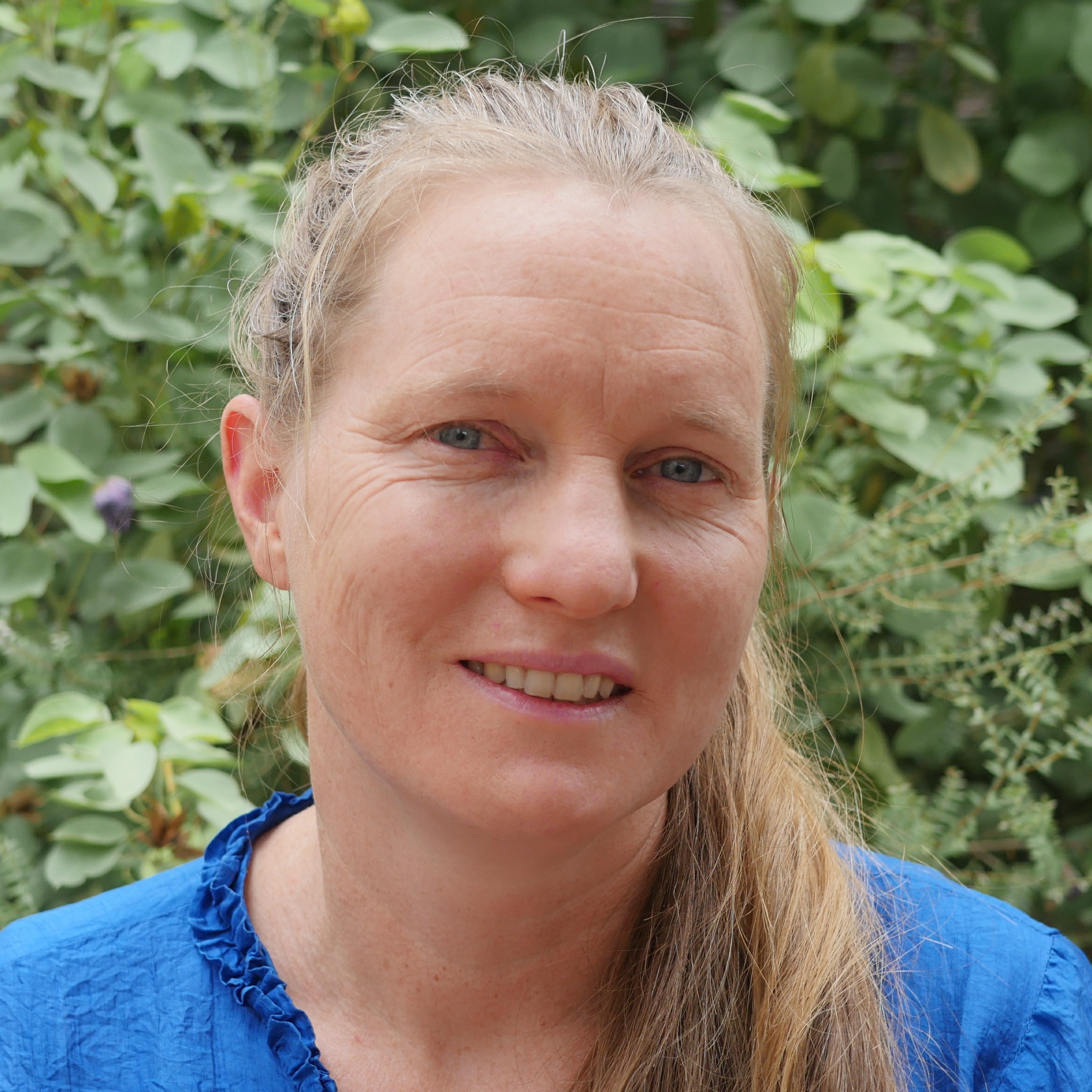
Kate Cotching is also a Social Worker (BSW) and an Artist (MFA). This background is what Pelican Arts is built upon. Kate regularly brings social work knowledge and skill base into her practice by working with the client on interpersonal or social issues.

Social workers have a crucial part to play in improving mental health services and mental health outcomes for participants. They bring a distinctive social and rights-based perspective to their work. Their advanced relationship-based skills, and their focus on personalisation and recovery, can support people to make positive, self-directed change.

As well as her membership with the Australian, New Zealand, Asia Creative Arts Therapist Association (ANZACATA),  she holds a membership with the Australian Association of Social Workers (AASW).

Social Workers and Art Therapists have so much in common, both take a psychosocial approach to their practice and both are concerned with social justice and equality.

“Social workers are trained to understand and assess that the mental illnesses experienced by individuals, families, groups and communities are not caused or determined by a single factor.”

“Social workers maintain a dual focus in both assisting with and improving human wellbeing; and addressing any external issues (known as systemic or structural issues) that may impact on wellbeing, such as inequality, injustice and discrimination.” (AASW, Scope of social work practice)

Telephone Interpreting Service (TIS National)

Language is no longer a barrier to accessing art therapy.  Pelican Arts now has access to telephone interpreters.

We welcome non-English speakers to contact us to find out more about art therapy.

If you need an interpreter, please call TIS National on 131 450 and ask them to call Pelican Arts on 0410772058.

You can also visit the TIS National website for translated information about the service TIS National provides. Visit: www.tisnational.gov.au


COVID 19 Statement

Pelican Arts is taking reasonable measures to provide continuity of service during the pandemic while maintaining client and staff safety. We recognise that some clients may be especially vulnerable to infection during the pandemic and that some clients may be unable to engage in Telehealth.

Clients may express a preference for one service over another, Pelican Arts will consider transition to-from Telehealth on a case by case basis. Fees for Telehealth services will be the same as their in-person equivalent.

Pelican Arts will always follow government advice. 

These are some of the things we are doing to help keep visitors safe During the COVID 19 Pandemic.

  • We are keeping up to date with government regulations and advice in Victoria and NSW.
  • We have hand sanitiser at the entry of the building, as well as inside the studio, and of course soap and water. All visitors must clean their hands when they enter.
  • We have increased our routine cleaning regime, in addition to this we and clean frequently used surfaces and equipment after each use. We also have a HEPPA air filter in the studio.
  • We have configured furniture in a way that makes it easy to stay 1.5 meters away from each other.
  • We have put signs on the door and walls to remind everyone of what they need to do to help stop the spread.

Please pay attention to these signs and use the QR code to check in.

  • If we are sick we will cancel our appointments at no charge to you, we use routine Rapid Antigen testing when it is available.
  •  Please don’t come if you feel sick, if you have had contact with a person with COVID 19, or if you have travelled to a COVID 19 Hotspot in the past 14 days.

If you have any COVID 19 Symptoms please get tested and stay home, we will be happy to reschedule your appointment when you are feeling better. If you have minor symptoms and would still like art therapy we can organise an appointment via telehealth.